
For some Ugandan teenagers, the school holiday is not a break. It is an opportunity to earn enough money to return to school, support their families and meet basic needs.
At the 40 Days Over 40 Smiles Foundation (4040), this reality became difficult to ignore during the holiday programmes at the Angaza Resource Centre. Some teenagers from Kibuli and Kabalagala who would normally participate regularly have been missing sessions because they are working.
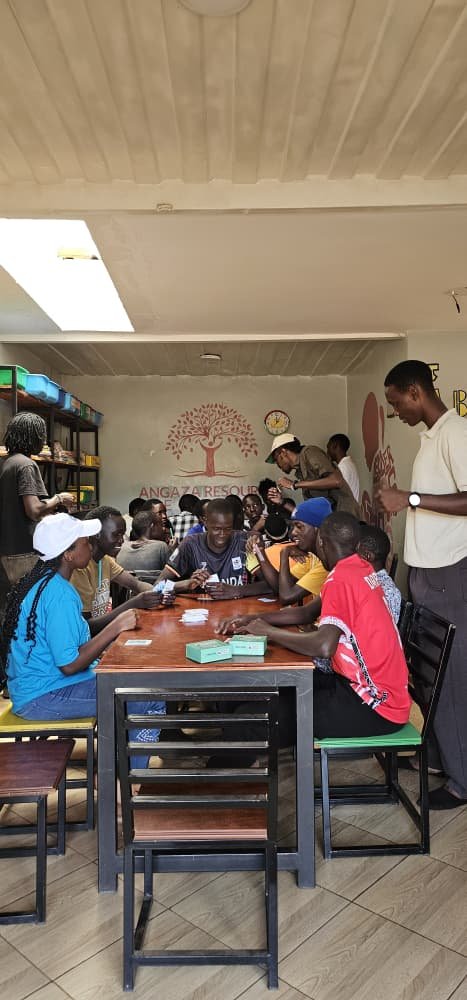
“Teacher Gloria, today I will leave early. I have a plumbing gig. I have to make some money to take me through the next term,” one participant told our project lead.
Their reasons vary. Some work to support their parents with household expenses. Others save for scholastic materials, earn pocket money or meet necessities such as sanitary pads. Their choices are understandable. They also raise a difficult question. What happens when a child has to take on adult responsibilities before they have had the chance to experience childhood?
The experience of the teenagers at the Resource Centre reflects the reality of many teenagers in Uganda and globally.
In Kampala, it is not unusual to see children moving through neighbourhoods and along roadsides selling avocados, boiled maize, vegetables, bananas and other food items.
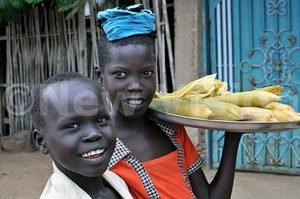
For a 17-year-old we will call Mansoor Matovu, working during the holidays is part of supporting his family. He and his brother sell bananas in different parts of Kisaasi to help their mother buy food and meet household needs.
His mother understands the value of hard work, but wishes circumstances were different.
“No one is lazy in my household. They have learnt that one has to work to eat. I also wish I was rich enough to give them everything they want so that they can concentrate on their studies and school work,” she told us.
Her words capture the dilemma many families face. Parents want their children to study and have better opportunities, but when household resources are stretched, children may become part of the family’s survival strategy.
According to Uganda’s 2021 National Labour Force Survey, about 6.2 million children aged 5–17 were engaged in child labour, representing 39.5 per cent of children in that age group. Globally, the International Labour Organisation and UNICEF estimated that 138 million children were in child labour in 2024, with sub-Saharan Africa carrying the largest share.
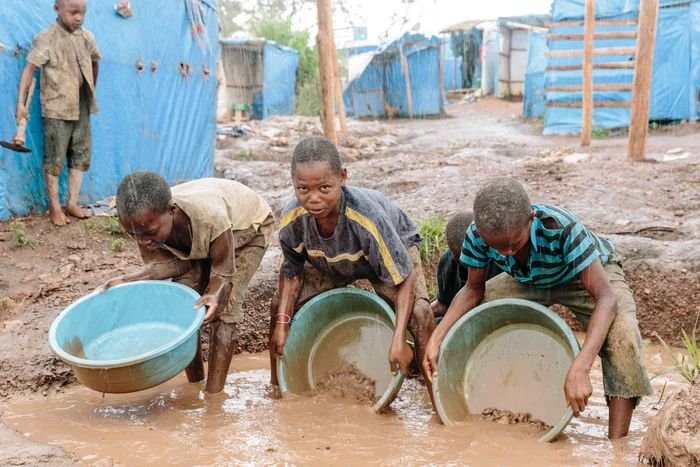
Behind these numbers are children making choices within circumstances they did not create.
There is nothing inherently wrong with young people learning responsibility, helping their families or developing practical skills through age-appropriate work. The problem begins when poverty leaves them with little choice but to work, particularly when that work interferes with education, rest, safety, development or opportunities to participate in activities that support their wellbeing.
We often praise young people for being hardworking and resilient. And they are. But we should be careful not to celebrate resilience without asking why children need so much of it in the first place.
At 4040, this has challenged us to look beyond the choices young people make.
“We want young people to be responsible and develop the skills they need for adulthood, but we also want them to have the opportunity to experience childhood. When a teenager has to choose between attending an impactful holiday programme and going to work because their family needs the income, we have to look beyond the choice the child is making and ask what circumstances have made that choice necessary,” says Gloria Mbabazi, Angaza Resource Centre Manager.
That is the conversation we need to have about child labour. Telling children to stop working without addressing the poverty that makes their work necessary will not solve the problem. We must also strengthen the conditions that allow families to meet their basic needs without relying on children to fill the gap.
The benefits children lose to work are not always visible. It might be a day of play, time with friends, a chance to discover a talent, participation in a learning programme, adequate rest or the opportunity to return to school prepared for the next term.
Childhood is not wasted time. It is the foundation on which adulthood is built.
Parents, communities, schools, civil society organisations and policymakers, therefore, have a shared responsibility to create conditions where children can learn responsibility without carrying the weight of adult economic problems.
We should celebrate young people’s determination; but we should not make their ability to endure hardship the measure of a successful childhood.
Every child deserves more than the opportunity to grow older. They deserve the opportunity to grow up experiencing life in its fullness including, play, joy, rest and creating bonds.