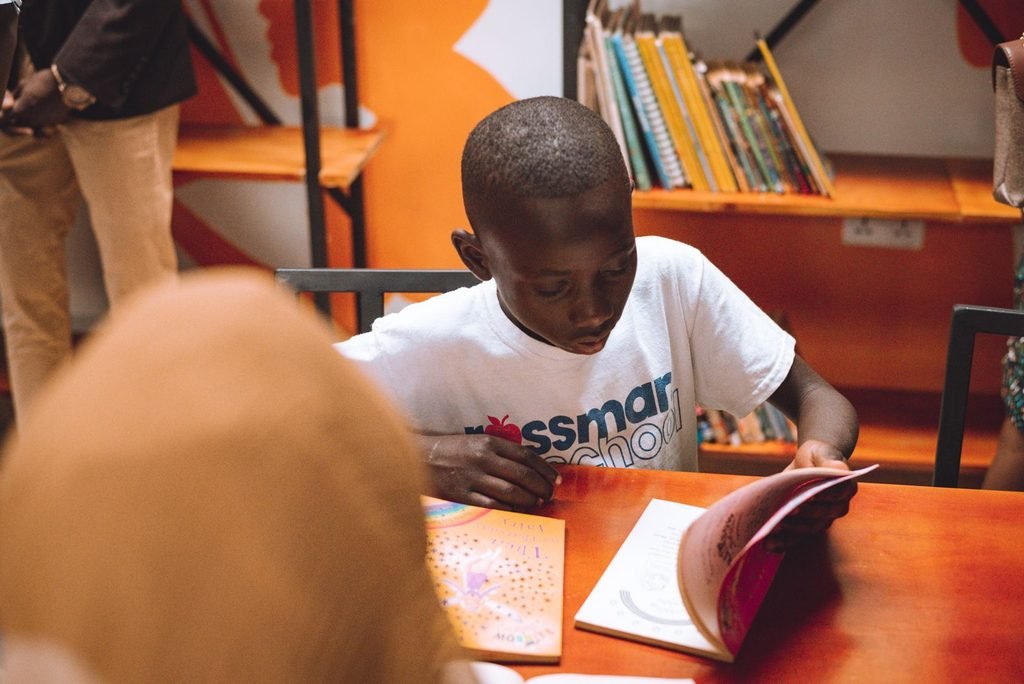
A book may be small enough to fit into a child’s hands and yet it gives access to a world of endless imagination.
A child opens a book and within its pages, encounters places they have never seen, people they have never met and possibilities they may never have imagined.
That is the power of literacy.
As Uganda joins the rest of the world in commemorating International Literacy Day, it is worth asking: What happens when a child does not have access to books or meaningful opportunities to read?
Uganda has made important progress in literacy, with the national literacy rate now estimated at 76%. However, significant gaps remain. The 2024 Uwezo Uganda assessment found that only about one in five Primary 3-7 learners assessed could read and comprehend a Primary 2 level story in a local language. Among Primary 7 learners, reading proficiency had fallen from 68% in 2021 to about 51% in 2024.
These figures highlight the fact that being in school does not automatically mean being able to read with understanding. They also point to a challenge that extends beyond classrooms: children need access to books, reading spaces and environments that encourage them to become readers.
As we contemplate this year’s theme “Literacy for People, the Planet and Prosperity,” we are reminded that reading can change the world.
Through books, children encounter new ideas, perspectives and possibilities. A story can spark curiosity about creativity. A biography can show what is possible despite difficult circumstances. A novel can build empathy. A science book can turn a question into innovation.
Literacy, therefore, contributes not only to education, but to people’s ability to understand, participate in and shape the world around them.
This is particularly important when we consider the connection between literacy and the planet.
Children are growing up amidst climate change, environmental degradation and loss of biodiversity. Understanding these challenges requires more than scientific information; it requires the ability to access, interpret and act on knowledge.
A story about a forest can become a lesson in conservation. A book about water can help a child understand the importance of protecting rivers and wetlands. Environmental literacy can help children see that the choices they make today are connected to the future of their communities.
We are more likely to care for what we understand.
Literacy is also linked to prosperity. The ability to read and understand information is foundational to education, employment, entrepreneurship and informed decision-making. For children, developing strong literacy skills is therefore an investment in opportunities that will unfold years later.
This is why creating access to reading materials matters.
At 40 Days Over 40 Smiles Foundation (4040), the Angaza Resource Centre and Mobile Library Project are part of an effort to bring books and reading opportunities closer to children and communities. The idea is that where children cannot reach libraries, libraries can reach children.
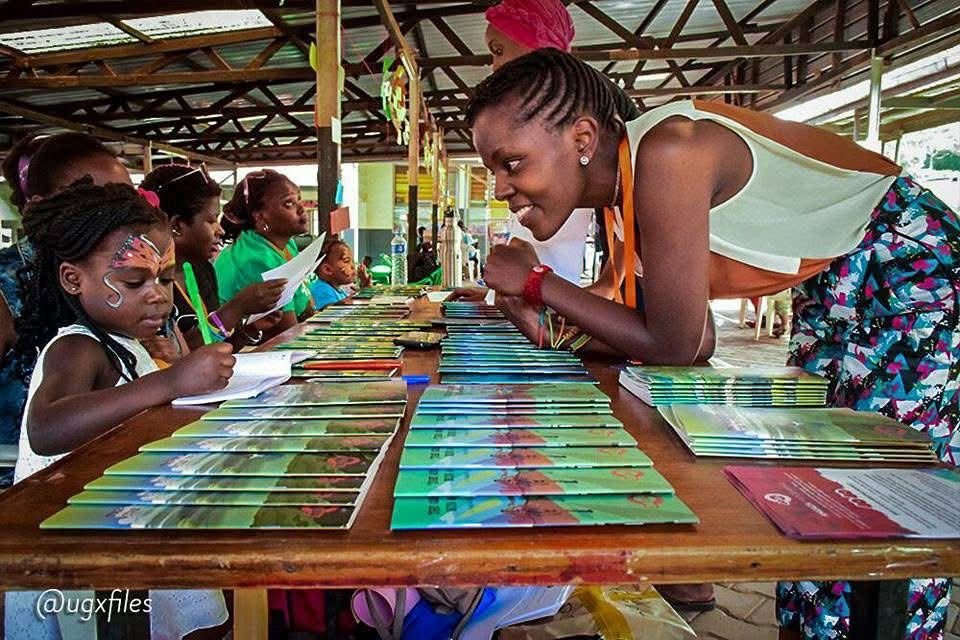
A mobile library does more than transport books, it transports opportunity. The library can introduce a child to a story they might never otherwise encounter, encourage curiosity and make reading a more regular part of their lives.
However, building a culture of reading cannot be the responsibility of a few organisations scattered in different areas. Parents/guardians, teachers, schools, communities, government, publishers, civil society and the private sector all have a role to play in making books more accessible and reading more enjoyable.
International Literacy Day is an opportunity to look beyond literacy as a statistic or an examination outcome. It is a chance to consider what literacy enables a child to become.
What if every child had a book?
Perhaps one would discover a career. Another would find their voice. Another would develop a passion for science or the environment. Another might simply discover the joy of getting lost in a good story.
We cannot know where a book will take a child; But we can make sure they have the opportunity to begin the journey.
Sometimes building a more literate, sustainable and prosperous future begins with the simple act of putting a book into a child’s hands.